- Home
- Services and prices
- Diagnostic Department
Gastroscopy
Gastroscopy
One of the main methods of diagnosing the condition of the upper sections of the CHD is esophaggastroduodenoscopy (EGV). The study is carried out with the aid of a gastroscope, an apparatus represented by a flexible rubber tube with an optical system inside and a miniature video camera. The use of this device makes it possible to assess the state of the mucosa and to perform the necessary therapeutic and diagnostic manipulations. Gastroscopy diagnoses such conditions as ulcers, erosion, polyps, vascular pathologies and other changes in the mucosa of the oesophagus, stomach and duodenum.

What is an esophageal duodenoscopy (gastroscopy)? Esophaggastroduodenoscopy (EGV) is a modern endoscopic study that allows a physician to visually examine (scopy) the internal surface of the esophagus (esophagus-), the stomach (gastro-) and the duoden intestine (duodeno-) and to detect diseases of these organs. Gastroscopy allows us to see the cause of the pain. Take for further research a piece of tissue from the pathological part of the mucosa, and perform therapeutic manipulations if necessary: remove polyps, stop bleeding from the ulcer, etc. Persons over 35 years of age must be examined as part of the screening every year. It is through regular endoscopic examinations that it is possible to detect malignant digestive tract formations in the early stages, when not only surgical but also endoscopic removal of certain tumors is possible, with a percentage of recovery, naturally much higher than in the treatment of neglected forms. Information for reference: Stomach cancer is the fourth most common cause of cancer, and the second most common cause of death worldwide. Early detection of cancer significantly improves the prognosis of the disease, and timely diagnosis of the pre-cancer mucosa changes allows measures to be taken to prevent its development. Of course, symptoms such as abdominal discomfort, unpleasant eating sensations, heartburn, chair disturbance, chair abnormalities (blood, mucus, pus) And others, they may become important bases for unplanned endoscopic research. How do you prepare for the EGS? • The EGG is conducted on an ad hoc basis, so should not eat, drink or smoke for at least six hours before the study; • If the study is done in the morning (before 12:00), the last meal must be not later than 20:00 on the eve of the study; • If the study is done after 13:00, there is no need to starve for half a day - it is easy to have breakfast (e.g., cottage cheese, yogurt) and to have a drink (tea, water, coffee) at least six hours before the expected study; •If you are constantly taking your medication, please agree with your doctor on how to take it. The constant necessary medication, which reduces blood pressure, normalizes CSC and heart rate, anti-diabetic drugs, hormonal therapy, is possible before the study. These preparations shall be taken with a small sip of water (not more than 20 ml) or sub-lingwalno (under the tongue) not later than 3-4 hours before the intended examination; • If iron is administered orally (through the mouth) permanently, it is necessary to stop taking iron two days before the examination; • After X-ray studies of the LCD using contrasting substances (barium, etc.) a period of at least 2-3 days must have elapsed before the EGV; • It is very important to warn the doctor about allergic reactions, especially to anesthetics such as novocaine and lidocaine. Contraindications to the procedure: • aneurysm (persistent extension with wall thinning) aortic • acute cerebral (stroke) and coronary (myocardial) circulatory disorders • severe diseases of the circulatory system, including severe stages of hypertension • haemophilia (clotting disorder and bleeding tendency) • severe mental disorders • pronounced spine curvature • frequent attacks of bronchial asthma. The 24-hour hotline +7(423)2-790-790 is available for appointment.
Indications for seeing a doctor
- Abdominal or sternal pains of any nature, intensity and genesis
- Nausea and/or vomiting, particularly of a chronic or recurrent nature
- Heartburn, burps and other unpleasant sensations in the stomach or upper abdomen
- Stool violation
- Stool violation
- Anemia unrelated to other diseases in digestive disorders
- Suspicion of any tumour, including malignant
- Removal of an inadvertently or deliberately ingested foreign body that cannot exit from the LCD naturally
- Gastrointestinal bleeding
Advantages of choosing Pacific Hospital
Без очередей и ожидания
Быстрый прием, комфортные условия пребывания
Без боли и стресса
Безопасное обезболивание, индивидуальный подход к каждому пациенту. Возможность проведения "неприятных" манипуляций во сне.
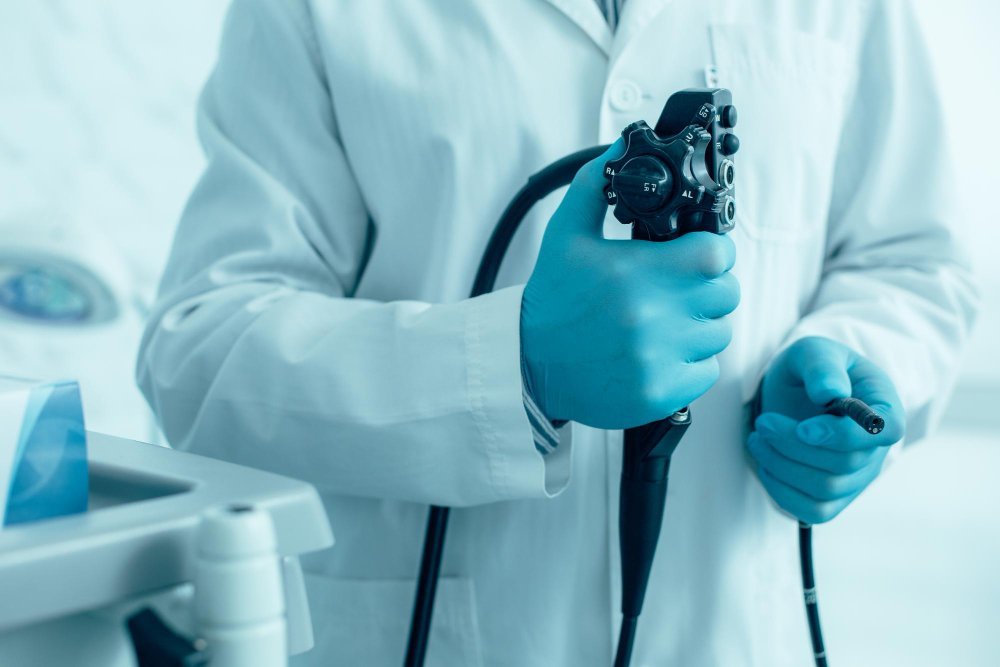
Современное оборудование
Наше отделение эндоскопии оснащено аппаратами известных европейских производителей
Безопасность
Полноценная служба реанимации, система лекарственной безопасности, контроль за дезинсекцией и стерилизацией
Book an appointment
We will call you back within 15 minutes

Как проходит ФГДС во Владивостоке
- 1 шаг. Консультация врача. Вас попросят подписать информированное согласие, уточнят аллергию на лекарства.
- 2 шаг. Обезболивание. Горло обработают спреем-анестетиком (лидокаин). При седации — поставят капельницу.
- 3 шаг. Положение. Вы ляжете на левый бок, согнув ноги в коленях. Медсестра даст загубник, защищающий зубы и эндоскоп.
- 4 шаг. Введение эндоскопа. Врач попросит сделать глоток — в этот момент трубка пройдет в пищевод.
- 5 шаг. Осмотр. Через 5-15 минут эндоскоп извлекут. При седации вы проснетесь через 20-30 минут.
Помните: 30 минут дискомфорта во время ФГДС могут подарить вам годы здоровой жизни.
Как подготовиться к ФГДС во Владивостоке
За 3 дня до исследования:
- Исключите алкоголь, острую и жирную пищу.
- Откажитесь от препаратов, разжижающих кровь (аспирин, ибупрофен — только после согласования с врачом).
За 12 часов:
- Прекратите есть. Последний легкий ужин — до 18:00 (йогурт, каша, рыба на пару).
- Не курите: никотин стимулирует секрецию желудочного сока.
Утром в день ФГДС:
- Не принимайте пищу и воду (даже глоток!).
- Разрешается почистить зубы или сделать укол инсулина (для диабетиков).
- Наденьте удобную одежду без тугого пояса.
Скачайте подробную памятку по подготовке к ФГДС.
Больно ли делать ФГДС? Виды анестезии
Без седации:
- Вы чувствуете давление в груди и позывы к рвоте, но не боль. Мы используем тонкий эндоскоп для максимального комфорта.
- Дискомфорт длится 3-5 минут, пока трубка проходит в желудок.
Под седацией («во сне»):
- Вы погружаетесь в легкий медикаментозный сон.
- Просыпаетесь без неприятных воспоминаний.
- Рекомендуется тревожным пациентам и при комбинированных исследованиях (гастро-колоноскопия).
Противопоказания к проведению ФГДС во Владивостоке
Абсолютные запреты:
- Стеноз пищевода (непроходимость)
- Острый инфаркт или инсульт
- Дыхательная недостаточность III степени.
Относительные (решается индивидуально):
- Гипертония
- Беременность
- Психические расстройства
Частые вопросы о ФГДС во Владивостоке
❓ Можно ли делать ФГДС при беременности?
— Да, но только по жизненным показаниям (кровотечение, подозрение на опухоль). Без седации!
❓ Что делать, если тошнит после ФГДС?
— Не ешьте 2 часа. Пейте воду мелкими глотками. Если тошнота длится дольше 24 часов — обратитесь к врачу.
❓ Как часто нужно проходить ФГДС при гастрите?
— 1 раз в 1-2 года для контроля. При атрофическом гастрите — ежегодно.
❓ Почему после ФГДС болит горло?
— Легкое першение — норма. Оно пройдет за 1-2 дня. Помогает полоскание ромашкой.
ФГДС – золотой стандарт диагностики болезней ЖКТ. Не откладывайте процедуру из-за страха: современные технологии делают её комфортной. 90% заболеваний желудка излечимы на ранней стадии! В нашей клинике ФГДС проводят опытные врачи, используя эндоскопы экспертного класса. Запишитесь на ФГДС уже сегодня по специальной стоимости.
Комфортные условия и современное оборудование
В больнице Пасифик практикуются методы амбулаторной хирургии, и пациенту нет необходимости долгое время после операции пребывать в стационаре. Поэтому, для наблюдения за состоянием здоровья таких пациентов врачи используют Дневной стационар (стационар кратковременного пребывания).
И при отсутствии противопоказаний, пациент отправляется домой — а в современных условиях, когда каждая минута на счету, и когда просто невозможно в насыщенный график вписать время для нахождения в больнице, именно стационар кратковременного пребывания становится выбором деловых людей.
Make an appointment
